Understand how your earliest bonds shape the way you connect today, and build relationships that feel safer and more secure.
The way we were cared for as children often shapes how we trust, depend on others, and handle closeness as adults. You might pull away when someone gets close, or worry constantly that people will leave.
Attachment-focused therapy looks at those relationship patterns with curiosity rather than blame. At Wuerth Care Psychodynamic Therapy in Warren, MI, our licensed therapists help you understand where your patterns come from and experience a steady, trustworthy relationship in the therapy room itself.
Attachment describes the emotional bond between people, especially between children and caregivers. Early experiences do not decide your future, but they can leave patterns that show up in friendships, romantic relationships, and parenting. Understanding them is a first step toward changing them.
Our psychodynamic work is paced with you and may include:
A secure bond with a caregiver supports a child’s sense of safety. For families we offer child therapy, teen therapy, and family therapy, with parents involved.
Attachment work fits naturally with our psychodynamic approach. It often connects with trauma therapy, anxiety therapy, and depression therapy.
We accept most major insurance plans, including Medicaid, and offer sliding-scale rates. We will verify your benefits before your first session. Learn more about sliding-scale and self-pay options.
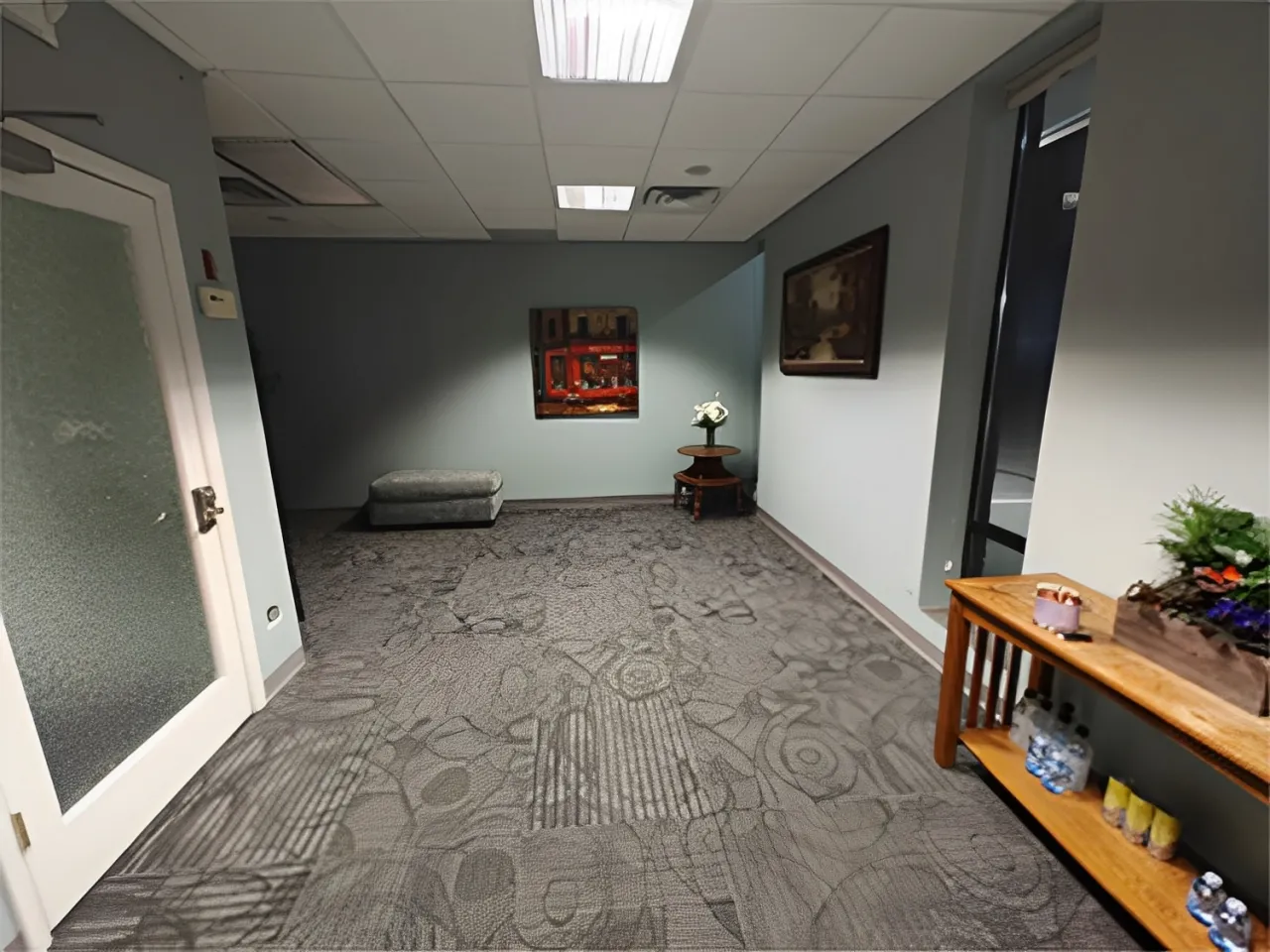
Our office at 25900 Dequindre Rd. in Warren is an easy drive from Sterling Heights, Madison Heights, St. Clair Shores, Roseville, Eastpointe, Hazel Park, and Fraser. Prefer to meet from home? See our page on online therapy in Michigan.
If you or someone you love is in crisis or having thoughts of self-harm, call or text 988 (Suicide & Crisis Lifeline) or call 911 right away.
Therapy that looks at how early relationships shape the way you connect with others today, and helps you build more secure ways of relating.
Attachment styles are patterns in how people relate to closeness, such as feeling comfortable with it, anxious about it, or inclined to avoid it. They are a helpful way to understand patterns, not a diagnosis or a label.
Yes. Relationship patterns formed in childhood can be understood and worked with at any age.
We work with children, teens, and families, with parents involved. Ask us which approach is the best fit for your child.
We accept most major insurance plans, including Medicaid, and offer sliding-scale rates. We will help verify your benefits.
Yes, when it is a good fit. We also see clients in person at our Warren office.
Usually within a few days to a week. Call us for current availability.